Mastering Precision with the Sarot Needle Holder
Wiki Article
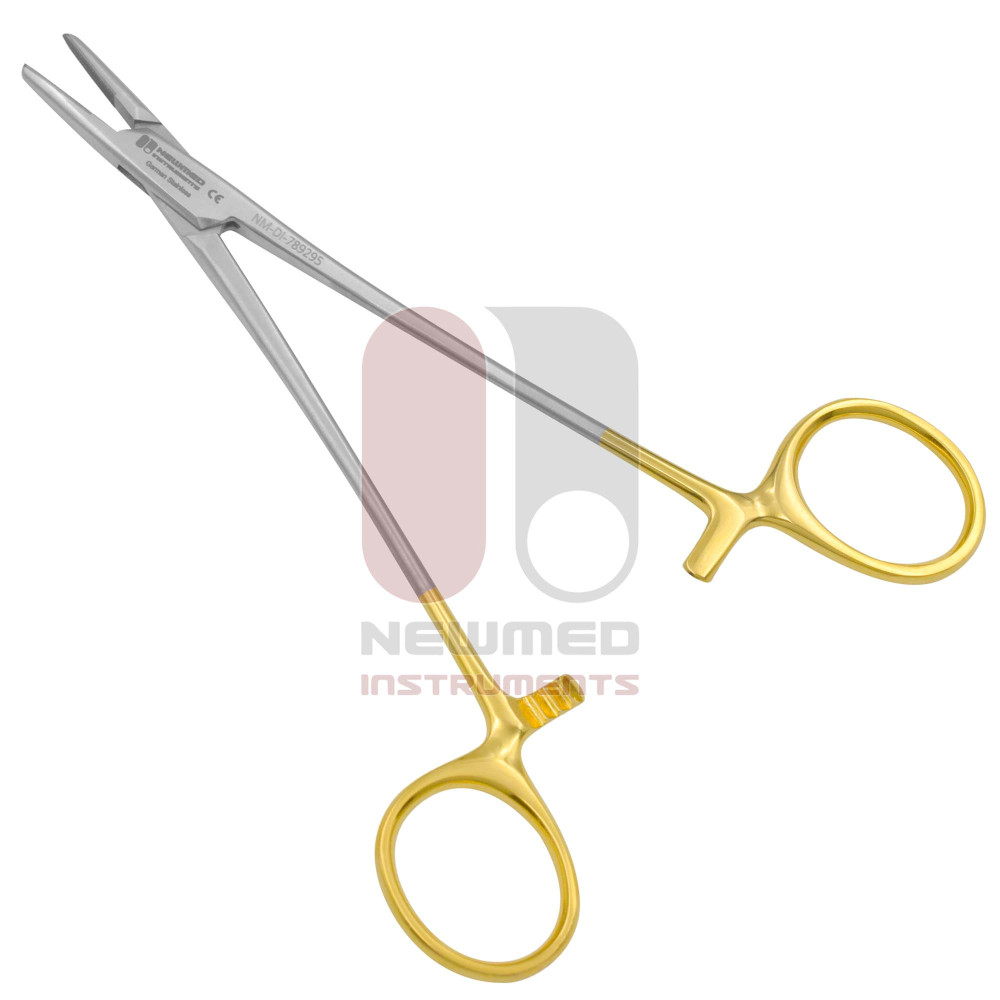
Surgeons rely heavily on the quality and design of their instruments to perform delicate procedures with accuracy. Every tool on a surgical tray serves a distinct purpose, from making initial incisions to suturing the final layers of tissue. Among these essential instruments, the sarot needle holder stands out as a critical choice for professionals who demand exceptional control during suturing. This specialized instrument is crafted to grip needles firmly, allowing surgeons to maneuver through tissue with confidence and stability. Understanding the unique features and applications of this tool can significantly impact surgical outcomes, making it a staple in operating rooms focused on cardiothoracic and vascular procedures.
Distinctive Features of the Instrument
What sets this particular needle driver apart from standard options is its specific design tailored for finer needles and more delicate tissues. The sarot needle holder typically features serrated jaws that provide a non-slip grip on suture needles, which is vital when working in deep or narrow surgical fields. These serrations prevent the needle from rotating or slipping, a common frustration that can prolong surgery and cause unnecessary tissue trauma. The instrument often includes a ratcheted finger ring handle, which allows the surgeon to lock the jaws in place. This locking mechanism reduces hand fatigue during long procedures, as the surgeon does not need to maintain constant pressure to keep the needle secure.
Applications in Cardiothoracic Surgery
The primary domain where this instrument shines is in cardiothoracic and vascular surgeries. Surgeons operating on the heart, lungs, or major blood vessels require tools that offer a balance of strength and finesse. The sarot needle holder is frequently selected for these high-stakes environments because its jaw design is perfect for handling the smaller, finer needles used to suture delicate vascular tissues. When repairing a vessel or closing an incision on the heart, there is zero margin for error. A slipped needle could cause a tear in a fragile artery wall. Therefore, the reliable grip provided by this specific holder is not just a convenience but a safety necessity for successful patient outcomes.
Material Quality and Durability
The longevity and performance of surgical instruments depend entirely on the materials used in their construction. High-grade stainless steel is the standard for manufacturing a premium sarot needle holder, ensuring it resists corrosion and withstands repeated sterilization cycles. Tungsten carbide inserts are often added to the jaws to enhance durability and grip longevity. Instruments made with these high-quality materials maintain their precision over time, providing surgeons with a consistent feel procedure after procedure. New Med Instruments strives to provide high-quality surgical instruments and superior service to surgeons, students, and healthcare professionals worldwide who value precise and effective outcomes for their patients. Investing in superior materials ensures that the tool performs as expected when it matters most.
Ergonomics and Surgeon Comfort
Surgical procedures can last for hours, placing significant physical strain on the operating team. The design of surgical instruments must account for ergonomics to minimize hand strain and potential repetitive stress injuries. A well-designed sarot needle holder features balanced weight distribution and smooth finger rings that fit comfortably in a gloved hand. The length of the shank is also a consideration, as it provides the necessary reach for deep cavities without forcing the surgeon into awkward postures. When a surgeon is comfortable, their movements are more fluid and precise, directly translating to better surgical technique and patient care.
Comparison with Other Needle Holders
It is important to understand how this tool compares to other common needle drivers like the Mayo-Hegar or Crile-Wood holders. While a Mayo-Hegar is robust and suited for heavier needles and tougher tissues, it lacks the finesse required for vascular work. Conversely, a Crile-Wood holder is excellent for general fine suturing but might not offer the specific jaw profile preferred by thoracic surgeons. The sarot needle holder occupies a specialized niche, offering a slightly finer jaw than the Mayo-Hegar but often more robust gripping power for its size compared to very delicate micro-needle holders. Selecting the right tool is about matching the instrument's capabilities to the specific tissue type and suture size being used.
Maintenance and Sterilization
Proper care is essential to extend the life of any surgical instrument. After every use, the instrument must be thoroughly cleaned to remove biological debris before sterilization. Special attention should be paid to the serrated jaws and the box lock mechanism, as these areas can trap debris. Regular inspection is necessary to ensure the jaws align perfectly and the ratchet mechanism engages and disengages smoothly. If the tungsten carbide inserts become worn or the jaws become misaligned, the instrument will lose its grip, rendering it ineffective. A well-maintained instrument ensures that the surgeon can trust their equipment implicitly during critical moments of a procedure.
Conclusion and Professional Value
Choosing the right surgical instrumentation is a testament to a surgeon's commitment to excellence. The role of the needle holder in achieving secure, precise sutures cannot be overstated. By utilizing a high-quality sarot needle holder, healthcare professionals ensure they are equipped to handle the complexities of delicate tissue repair with confidence. As surgical techniques evolve, the reliance on dependable, precision-engineered tools remains constant. Surgeons, students, and medical facilities that prioritize quality in their instrument selection are investing in the safety and recovery of their patients, ensuring that every stitch contributes to a successful healing process.
Report this wiki page